SPMT-Based Heavy Module Transfer

Load-Out & Load-In Operations

Controlled load-out and load-in execution for topsides, jackets, modules, and heavy fabricated structures.

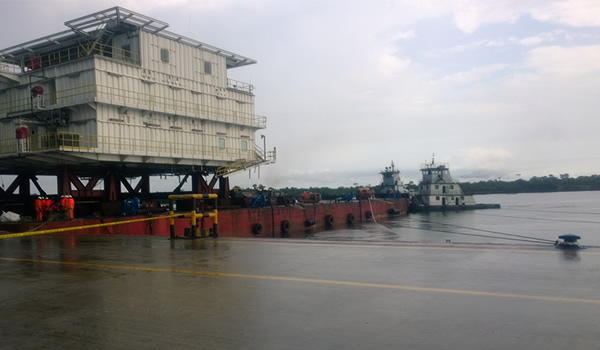
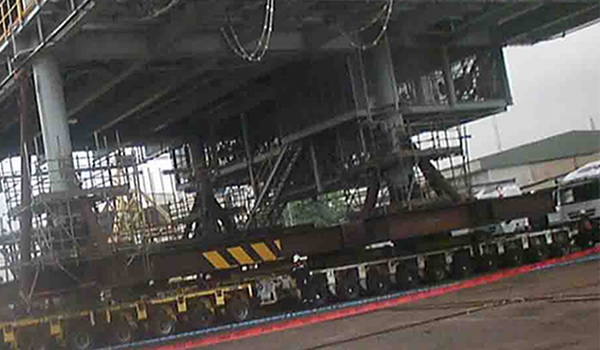
SPMT load-out operation moving a heavy offshore module to a quay
Transport Method Self-Propelled Modular Transporter
Typical Loads Topsides, jackets, modules, skids, and heavy structures
Operating Area Fabrication yards, quaysides, ports, and industrial sites
Execution Focus Controlled movement, stability, route clearance, and interface coordination

Engineered load-out and load-in support for heavy structures

Fairtex provides load-out and load-in operations for heavy offshore and industrial structures using Self-Propelled Modular Transporters. The service is designed for topsides, jackets, modules, skids, structural frames, and fabricated assemblies requiring controlled movement between fabrication areas, storage zones, transport corridors, and load-out quays.

Our delivery model combines route planning, transport engineering, equipment selection, site coordination, QA/QC checks, and field execution support. By using SPMT configurations suited to the load case, Fairtex helps clients move large modules across fabrication yards without restricting quay access or delaying parallel construction activities.

Typical applications: topside load-out, jacket load-out, module transfer, quay approach movement, fabrication yard relocation, load-in from barge or transport vessel, heavy structure positioning, and multi-module project logistics.

What this service covers

SPMT-based module transfer

Fairtex supports the movement of heavy modules and fabricated structures over short-to-medium yard distances using SPMT equipment. This allows multiple modules to be constructed away from the quay and transported safely to the load-out point when required.

Load-out and quay interface operations

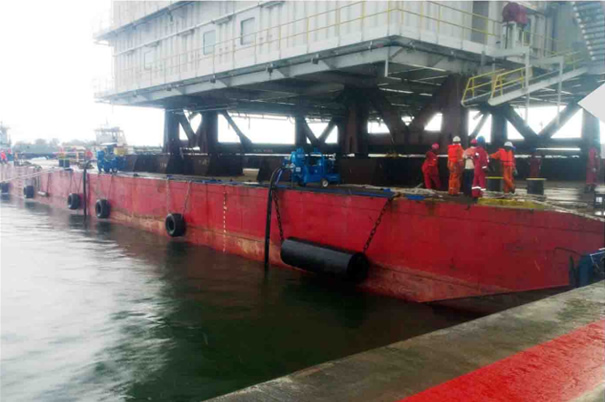
We plan and execute controlled transport to load-out quays, including approach alignment, movement sequencing, axle-line configuration, ground bearing checks, communication protocols, and interface coordination with marine or barge operations.

Load-in and receiving operations

Fairtex also supports load-in operations where heavy structures are received from barges, trailers, or transport vessels and transferred into fabrication yards, assembly areas, or final positioning zones for further works.

Key Takeaways

  • SPMT-based movement of topsides, jackets, modules, and heavy fabricated structures.
  • Supports modular construction without blocking quay access during fabrication.
  • Enables multiple load-outs or load-ins from a single load-out point.
  • Includes planning, QA/QC checks, field coordination, and controlled execution.
Equipment

Instruments and systems used for this service.

Heavy transport system
Self-Propelled Modular Transporter
Used for controlled transport of heavy modules, topsides, jackets, and fabricated structures across yards and quay interfaces.
Engineering planning system
Transport Engineering Software
Supports load distribution analysis, axle loading checks, centre of gravity validation, and transport configuration planning.
Measurement and positioning equipment
Survey and Alignment Instruments
Used to verify movement alignment, route levels, clearances, and final positioning during load-out and load-in operations.
Operational control equipment
Site Communication System
Supports safe field coordination between transport operators, banksmen, supervisors, marine teams, and client representatives.
Standards

Codes and standards this service conforms to.

Guidance for marine operations, load-out planning, structural movement, and transport interfaces.
DNV-ST-N001
Marine Operations and Marine Warranty
Project quality management requirements applicable to controlled execution, documentation, inspection, and process assurance.
ISO 9001
Quality Management Systems
General requirements for occupational health and safety management during heavy transport and site execution activities.
ISO 45001
Occupational Health and Safety Management Systems
Deliverables

What you receive.

Load-Out or Load-In Method Statement

Execution procedure covering movement sequence, equipment configuration, roles, communication, risk controls, and hold points.

Transport Route and Interface Plan

Route assessment covering access path, clearances, ground conditions, quay interface, and movement constraints.

SPMT Configuration Summary

Axle-line arrangement, load distribution basis, stability considerations, and operational setup for the movement.

Completion Report

Final record of execution, QA/QC checks, observations, approvals, and client handover information.

Have a Scope?

Let’s get it scoped and quoted.

Our team will review your scope and return a proposal.

Request a Quote Talk to an Engineer