Safe Welding Habitat Systems for Controlled Hot Work
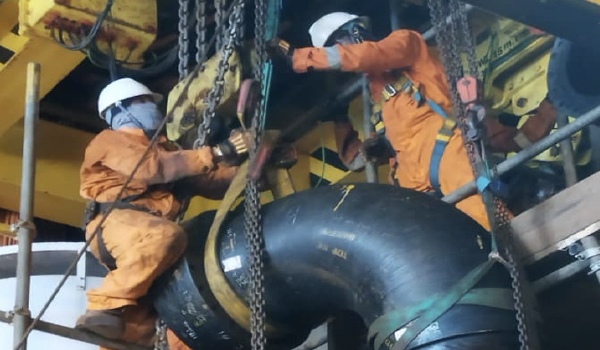
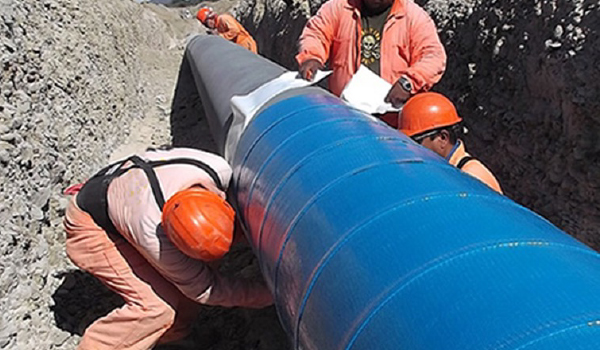
Fairtex Group provides safe welding habitat services for production facilities where welding, grinding, cutting, and other hot work activities must be carried out in hazardous or potentially explosive environments. Our habitat systems are designed for use across offshore platforms, onshore oil and gas facilities, chemical processing plants, refineries, utilities, marine facilities, and water treatment plants.
Fairtex owns deployable welding habitat systems and supports projects from site survey through planning, installation, monitoring, and closeout. Our delivery model focuses on pressurization, containment, ventilation, HSE controls, communication planning, fire protection, escape routes, and QA/QC documentation to help clients maintain operational continuity while protecting personnel and assets.
Typical applications: live production facility hot work, offshore platform welding, refinery maintenance, pipework modification, grinding and cutting activities, structural repairs, shutdown avoidance campaigns, hazardous-area maintenance, and plant modification projects.
What this service covers
Pressurized Welding Habitat Deployment
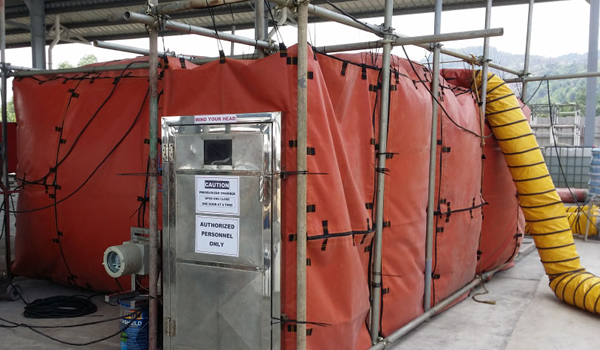
Fairtex deploys safe welding habitat systems supplied with breathable air to maintain positive pressure inside the enclosure. This helps prevent the ingress of flammable gases or vapors during hot work activities on oil and gas production facilities and other hazardous process environments.
Spark, Slag & Flame Containment
The habitat enclosure is arranged to contain welding slag, grinding sparks, cutting sparks, and other ignition sources within the controlled work area. This containment approach supports safer execution of hot work where explosive atmospheres may be present outside the habitat boundary.
Site Survey & Work Planning
Before deployment, Fairtex conducts site surveys to understand the work scope, risks, controls, access requirements, manpower needs, ventilation requirements, power supply, scaffold interfaces, lighting, fire protection, escape routes, and communication requirements. Survey outputs are used to define a practical and compliant habitat execution plan.
Basic & Detailed Survey Options
Basic surveys define project requirements, habitat requirements, manpower needs, work steps, general design information, ventilation and power needs, generic scaffold requirements, and relevant QMS documentation. Detailed surveys include full project site assessment, habitat survey, HSE requirements, stakeholder inputs, scaffold plans, escape planning, fire protection requirements, and a detailed communications plan.
Key Takeaways
- Deployable safe welding habitat systems owned and supported by Fairtex
- Supports welding, grinding, cutting, and other controlled hot work activities
- Positive-pressure habitat design helps prevent ingress of explosive gases or vapors
- Site survey and planning support safe execution under normal production conditions